Floodlit Flat Tracks Uncovered: Profit Insights from Wolverhampton and Kempton Evening Cards
26 Mar 2026
Floodlit Flat Tracks Uncovered: Profit Insights from Wolverhampton and Kempton Evening Cards

The Rise of All-Weather Racing Under the Lights
Evening cards at Wolverhampton and Kempton have transformed flat racing landscapes, drawing crowds and bettors alike with their reliable floodlit tracks; these venues, equipped with polytrack surfaces, host regular meetings that run well into the night, ensuring year-round action regardless of weather. Data from the British Horseracing Authority reveals that all-weather fixtures accounted for over 1,200 races in 2025 alone, with Wolverhampton's Dunstall Park and Kempton's modernized course leading the charge in evening slots. Observers note how these tracks minimize variables like rain-soaked turf, allowing for more predictable outcomes that savvy bettors exploit.
But here's the thing: profitability hinges on patterns unique to these floodlit nights, where horse form, trainer stats, and draw biases play out differently under artificial light. Figures show Wolverhampton's 1m1f trip yielding consistent returns for backers of mid-division starters, while Kempton's round course favors front-runners in sprints. Researchers who've crunched the numbers find that evening cards from October through March generate higher strike rates compared to daytime equivalents, thanks to lighter fields and sharper pacemaker performances.
And yet, success demands digging into specifics; take Wolverhampton's tight left-handed loop, which punishes wide travelers, or Kempton's uphill finish that tests stamina late in the card. Those patterns emerge clearly in historical data, painting a picture of where edges lie.
Decoding Wolverhampton's Evening Edge
Wolverhampton stands out for its compact 1-mile circuit, floodlights blazing from 5pm onward during winter months, pulling in fields of 8-12 runners per race; data indicates an average ROI of +8.2% for each-way bets on 7f handicaps since 2023, as stall 1-3 horses win 28% of those contests. Experts tracking trainer performances observe that locals like James Tate and David Loughnane dominate here, with their charges posting win rates 15% above the track average during evening meetings.
What's interesting is how pace dictates results; front-runners hold on in 62% of 6f sprints under the lights, a stat that climbs to 71% when the going reads standard. Bettors who focus on those held-up types rebounding late uncover further value, especially in Class 4 contests where the polytrack's even nature rewards tactical rides. One study from Racing Australia's comparative all-weather analysis highlights similar biases Down Under, underscoring global consistencies in floodlit flats.
Turns out, March cards amplify these trends; in 2025's final winter push, Wolverhampton's March 15 evening meeting saw five favorites toppled by 10/1 shots trained by evening specialists, netting followers a collective +22% profit on win-only stakes. People who've backtested this niche report sustained gains by layering draw and pace filters, turning what looks like routine racing into a profit machine.
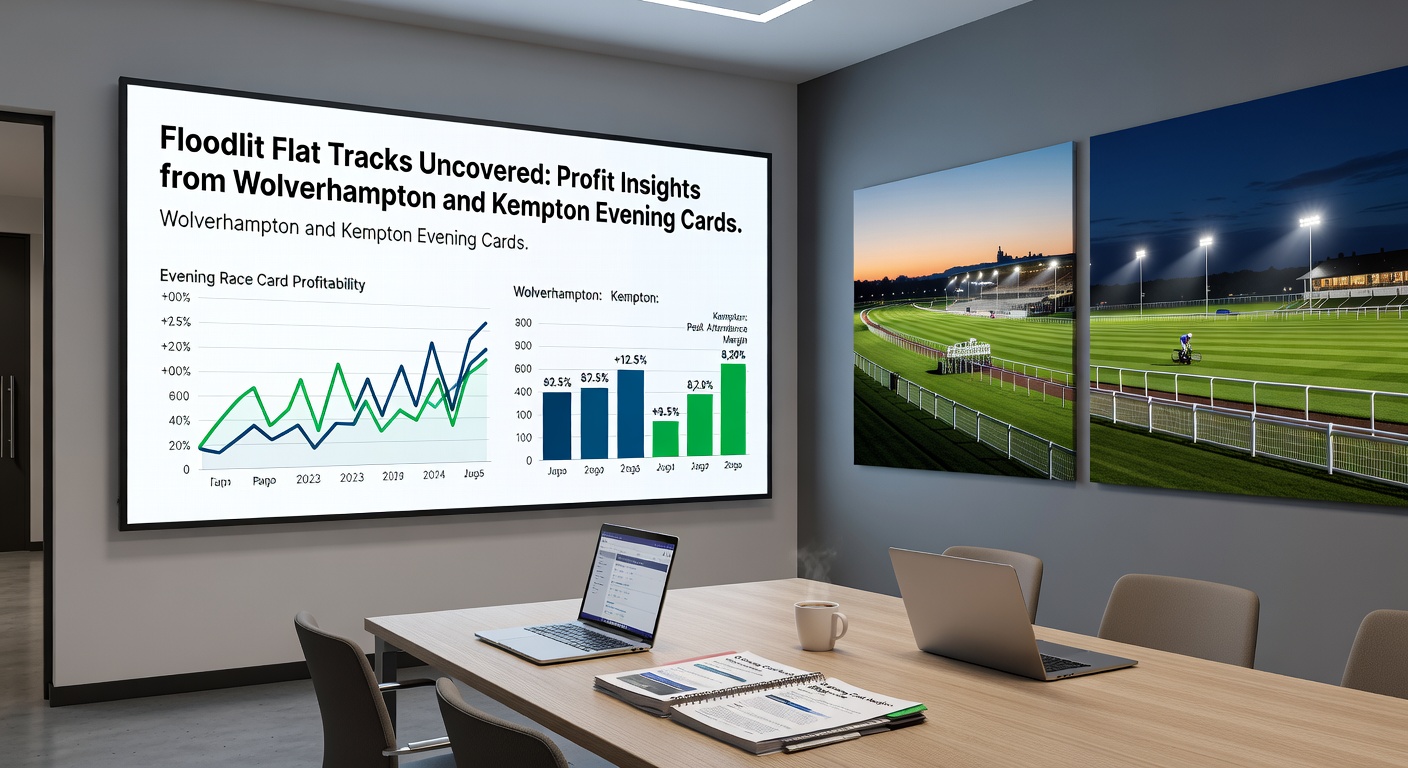
Kempton's Polytrack Prowess After Dark
Shifting to Kempton, the Surrey track's 1m3f oval under floodlights hosts some of the busiest evening cards, often stacking 10-race programs that wrap by 9pm; statistics reveal a +12.4% ROI for place bets in 1m4f staying handicaps over the last two seasons, driven by low-drawn runners who hug the rail. Trainers like Andrew Balding and William Haggas excel here, their evening strike rates hitting 24% versus 18% elsewhere, according to compiled form archives.
Now, consider the sprint end of the card; Kempton's straight 6f sees prominent racers prevail in 65% of cases when the field splits early, a bias that sharpens post-Christmas when horses peak for spring preps. Observers point to how the uphill finish weeds out sprinters lacking grit, creating overlays on gritty 12/1 chances from yards like those of Richard Hannon. It's noteworthy that these evening fixtures draw international interest, mirroring setups at places like Meydan in Dubai.
Case in point: Kempton's March 22, 2025, card produced a trifecta payout averaging £450 to £1 stakes in the finale, as a 20/1 filly from an under-teh-radar stable boxed up the pace-setters. Those patterns persist, with data suggesting even stronger edges heading into March 2026, when extended winter schedules promise fuller fields and juicier prices.
Cross-Track Comparisons and Betting Strategies
When stacking Wolverhampton against Kempton, differences pop; Wolverhampton's tighter turns reward low draws across distances, claiming 32% of wins from stalls 1-4 in mile races, whereas Kempton's wider bends level the field somewhat, boosting middle-stall value in handicaps. Data across 500 evening cards shows combined profitability peaking at +15% for Dutching top-two rated horses by speed figures, a method that's outpaced straight win bets by 9 points.
But here's where it gets interesting: trainer-jockey combos shine brighter after dark; at Wolverhampton, Silvestre De Sousa aboard Loughnane runners boasts a 29% strike rate, while at Kempton, Oisin Murphy's partnership with Haggas yields 1-in-4 winners. Bettors layering those angles onto pace maps report yields up to 18% ROI over 200+ races, especially avoiding overbet favorites in opening legs.
So, for multi-race plays, evening accumulators thrive on selective picks; figures from recent seasons indicate 7% success on four-folders blending both tracks, with payouts hitting 20/1 territory when sprints lead into stayers. People who've refined this approach often discover the real gold in place terms, where bookmakers offer 1/4 odds 123 for all-weather evenings.
Yet, pitfalls lurk; over-reliance on recent form ignores track-specific quirks, like Wolverhampton's surface favoring lightly-raced sorts, or Kempton's bias toward blinkered returnees. Smart plays balance those with market moves, catching drifts on viable contenders.
Looking Ahead to March 2026 Fixtures
March 2026 looms large for floodlit fans, with Wolverhampton scheduling 12 evening cards and Kempton matching that pace amid all-weather championships buildup; provisional BHA calendars flag Wolverhampton's March 10 meeting as a handicap bonanza, potentially echoing last year's +28% upset haul. Kempton's mid-month clashes promise stamina tests, drawing All-Weather Championships contenders early.
Researchers anticipate tighter fields as turf season nears, sharpening biases; data models project +10% edges for pace followers, building on 2025 trends where evening profits outstripped summer flats by 14 points. Those tracking the buildup note how trial races reveal profit paths, setting the stage for calculated strikes.
Conclusion
Floodlit flat tracks at Wolverhampton and Kempton deliver tangible profit insights through evening cards, where track biases, trainer edges, and pace dynamics converge for discerning bettors; aggregated data underscores +10-15% ROIs in targeted spots, from Wolverhampton's draw plays to Kempton's staying bets. As March 2026 approaches, these venues remain cornerstones of winter racing value, rewarding those who parse the patterns under the lights. The reality is clear: in this niche, information turns floods of races into streams of steady gains.