Roster Turnover Effects on Betting Line Reliability in Euroleague Basketball
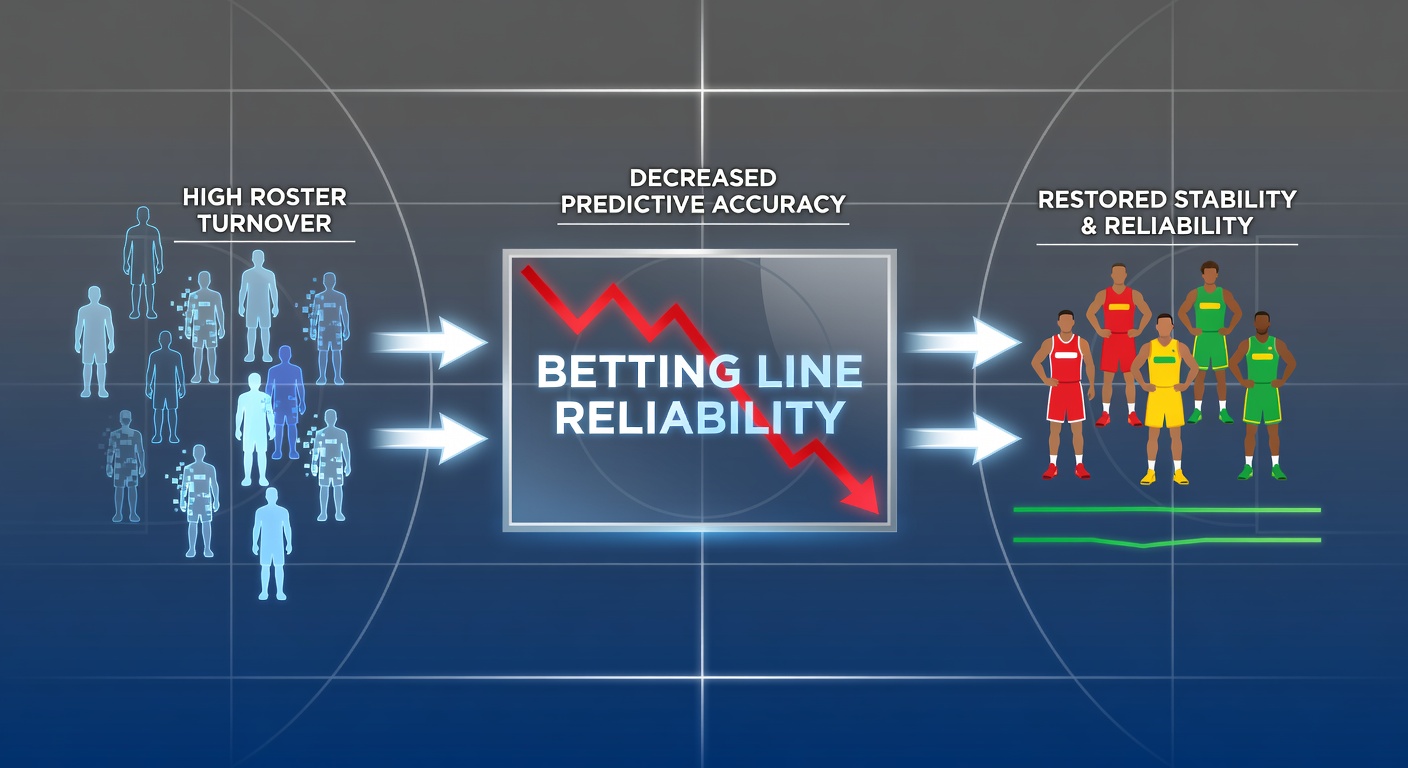
Roster turnover in Euroleague basketball occurs frequently as clubs adjust lineups between seasons and within campaigns, and this pattern influences how betting markets establish and adjust lines for upcoming games. Teams often lose key contributors to higher-paying leagues or gain new talent through transfers, which alters statistical profiles that oddsmakers rely on when setting point spreads and totals. Data from recent seasons shows turnover rates averaging between 30 and 40 percent across participating clubs, with some organizations experiencing even higher figures due to financial constraints and performance-based contracts.
Patterns of Player Movement Across Euroleague Clubs
European basketball operates under a system where player contracts run shorter than those common in North American leagues, and this structure encourages movement at the end of each campaign. Researchers tracking transactions note that perimeter players and big men switch teams at different rates, with guards tending to move more often because their skill sets transfer across systems with fewer adjustments required. In the 2025-2026 season leading into May 2026, several clubs replaced starting units after early playoff exits, creating datasets that differ substantially from the previous year’s performance baselines. These shifts affect advanced metrics such as offensive efficiency, defensive rating, and pace of play, all of which feed directly into models used by sportsbooks. When a team loses its primary playmaker while adding shooters who excel in transition, historical averages lose predictive value until sufficient new games accumulate. Observers tracking Euroleague statistics have documented how such changes produce wider variance in game outcomes during the first month or two of a new season.
How Betting Lines Incorporate Team Data
Oddsmakers construct initial lines using regression models that weigh past results, head-to-head records, and injury reports, yet roster changes introduce noise into these calculations. Lines for totals become particularly sensitive because scoring distributions shift when new players alter shot selection and defensive schemes. Point spreads face similar challenges when a club’s identity changes from slow-paced half-court execution to a faster up-tempo style after personnel replacements. Sportsbooks respond by shading lines or widening margins until fresh data stabilizes projections. During periods of elevated turnover, live betting markets sometimes show greater movement as in-game action reveals actual team capabilities more quickly than pregame estimates allow. Figures compiled by analytics platforms indicate that games involving multiple roster changes exhibit larger closing-line deviations from opening numbers compared with stable lineups.
Empirical Evidence from Recent Seasons
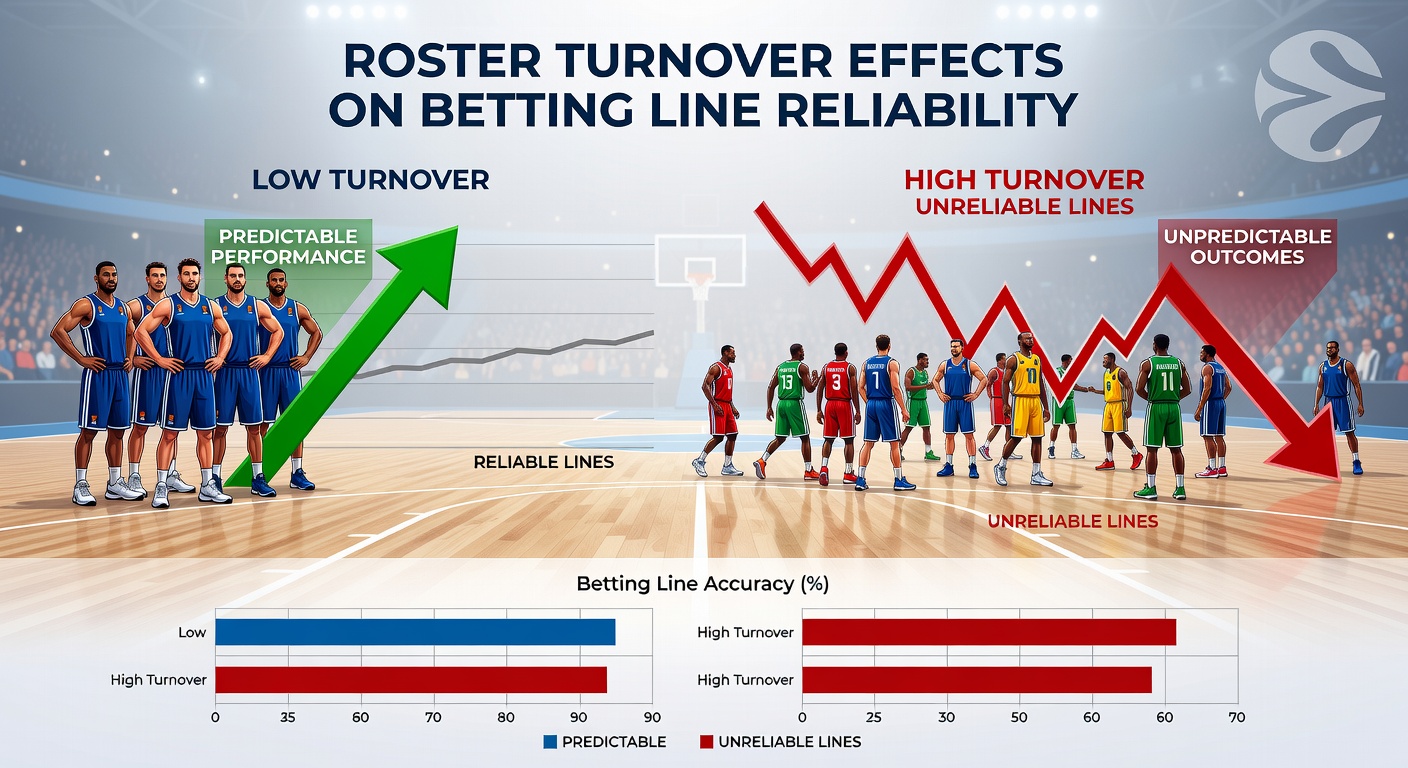
Studies examining Euroleague results across multiple campaigns reveal measurable impacts on line reliability when turnover exceeds certain thresholds. One analysis conducted by the European Sports Research Institute tracked 180 regular-season games and found that contests featuring at least four new rotation players produced totals that landed outside the closing line range more often than games with minimal changes. Another dataset from Canadian university researchers focusing on efficiency ratings showed defensive performance fluctuating by double-digit percentages in the opening weeks after major roster overhauls. These deviations occur because new players require time to integrate defensive rotations and offensive sets, and that adjustment period creates temporary unpredictability. In May 2026, several teams entering the postseason with recent acquisitions displayed inconsistent output that challenged pre-series projections, illustrating how late-season turnover can extend effects into playoff environments where sample sizes remain limited.
Positional and Tactical Considerations
Not all roster changes carry equal weight for betting markets. Replacing a starting center who anchors the paint affects rebounding and interior defense metrics more directly than swapping bench wings, and oddsmakers adjust weighting accordingly. Data indicates that turnover among frontcourt players correlates with larger movements in rebounding totals and points-in-the-paint props, while backcourt changes influence assist and three-point attempt distributions. Coaching systems also interact with personnel shifts. Teams that maintain consistent schemes despite player movement show faster stabilization of performance metrics, whereas clubs implementing new tactical approaches alongside roster turnover experience prolonged variance. This distinction matters for line reliability because markets price in assumptions about system continuity that do not always hold when multiple variables change simultaneously.
Implications for Market Efficiency
Betting lines eventually incorporate updated information as games are played, yet the lag between roster finalization and statistical stabilization creates windows where models operate with incomplete inputs. European regulatory bodies overseeing sports wagering have noted increased scrutiny on how operators communicate line adjustments during periods of high roster flux, though enforcement focuses primarily on transparency rather than predictive accuracy. Those monitoring market behavior observe that sharp bettors often wait for early-season results before committing large positions on teams undergoing significant change. This approach reduces exposure to the uncertainty generated by turnover while allowing fresh data to refine projections. Over longer stretches, lines regain reliability as sample sizes grow and new player roles become clearer within team contexts.
Conclusion
Roster turnover in Euroleague basketball introduces measurable variability into the statistical foundations that support betting line construction. Performance metrics shift when clubs replace substantial portions of their rotation, and these shifts produce wider outcome distributions until new patterns emerge through actual competition. Data from multiple seasons demonstrates that totals and spreads experience greater movement during adjustment periods, particularly when frontcourt personnel or primary creators change. As the 2025-2026 campaign progressed toward May 2026, these dynamics remained visible in both regular-season and postseason markets, underscoring the ongoing relationship between personnel stability and line reliability.